TL;DR:
- BBKA hive management practices emphasize hygiene, systematic inspections, and accurate records to keep colonies healthy. Following these guidelines reduces disease risks and enhances colony strength through proactive monitoring and swarm control. Consistent record-keeping and early help-seeking are crucial for successful beekeeping and passing the BBKA assessment.
BBKA-approved hive management practices are the standard procedures endorsed by the British Beekeepers Association to maintain colony health, prevent disease, and support productive apiaries. The BBKA represents around 30,000 hobbyist beekeepers across the UK, and its guidelines set the national benchmark for responsible beekeeping at every skill level. Meeting these standards means mastering five core disciplines: apiary hygiene, systematic inspection, brood monitoring, queen identification, and accurate record-keeping. Beekeepers who follow these methods consistently report stronger colonies and fewer disease outbreaks. This guide covers each discipline in practical, step-by-step detail aligned with the 2026 BBKA syllabus.
1. BBKA approved hive management practices: the core framework
The BBKA defines approved hive management as a set of hygienic practices and systematic recording procedures that protect individual colonies and the wider beekeeping environment. This framework treats hive health as a biosecurity issue, not just a colony-level concern. A disease outbreak in one apiary can spread to neighbouring colonies within foraging range, so the standards carry community-wide significance. The framework rests on three pillars: controlled access to hives, hygienic working practices, and documented observations. Every other technique in this guide builds on those three foundations.
2. Apiary hygiene and equipment sterilisation
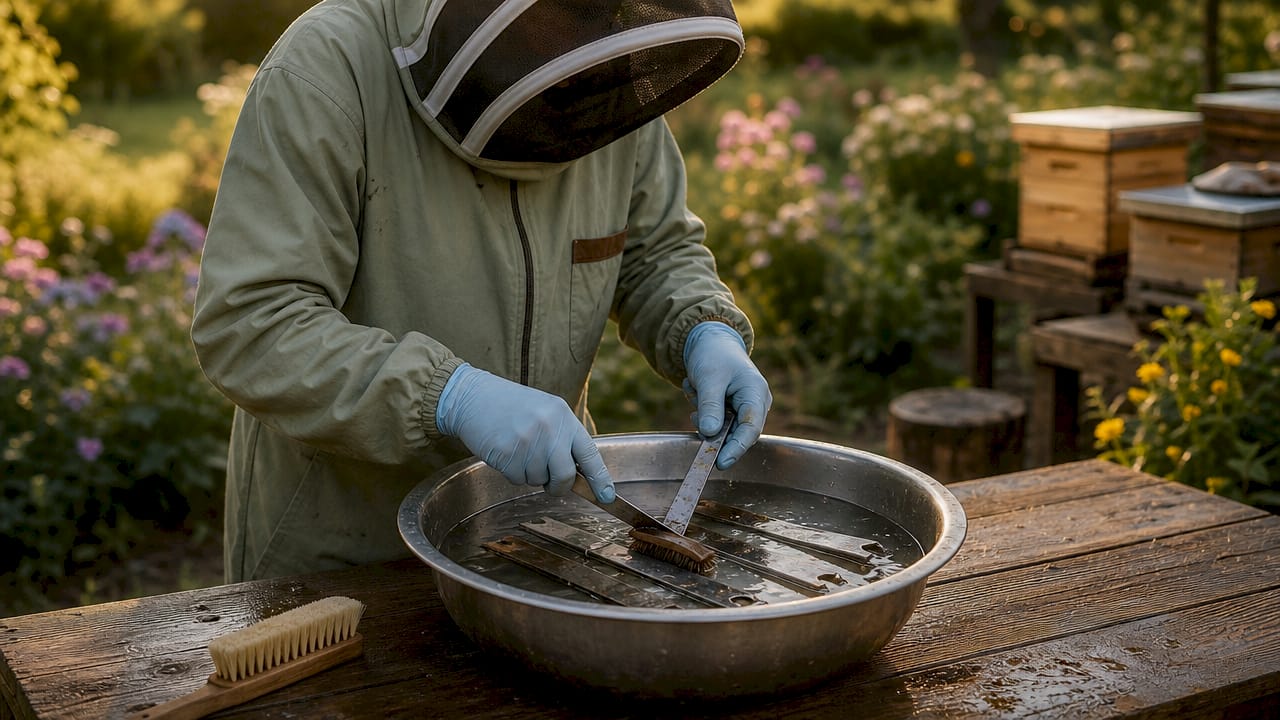
Clean equipment is the first line of defence against foulbrood, nosema, and other notifiable diseases. The BBKA syllabus and APHA hygiene guidance require beekeepers to sterilise hive tools between colonies using washing soda crystals or a blowtorch on metal surfaces. Wooden ware should be scorched or replaced when contamination is suspected. Gloves, veils, and suits need washing after each apiary visit.
Key hygiene steps to follow at every visit:
- Scrape propolis and wax from hive tools before sterilising
- Keep a dedicated bucket of washing soda solution at the apiary entrance
- Store clean equipment separately from used items to prevent cross-contamination
- Replace old brood comb on a rolling cycle, ideally every three years
- Dispose of diseased material by burning, never by composting or burying
Pro Tip: Mark your hive tool with a different colour per apiary. This prevents accidental cross-use between sites and removes one of the most common routes for disease transfer.
3. Controlled smoker technique
Correct smoker use calms bees without triggering a stress response that disrupts the colony. The BBKA Guide to Beekeeping (2nd Edition) covers smoker technique in detail, specifying cool, white smoke from natural fuels such as cardboard, hessian, or dried grass. Hot or acrid smoke irritates bees and can damage the queen. Two or three puffs at the entrance before opening the hive, followed by a light application under the crown board, is the standard approach. Avoid over-smoking, which masks the colony's natural alarm signals and makes it harder to assess their temperament accurately.
4. Integrated pest management under BBKA guidelines
Integrated pest management (IPM) is the BBKA's preferred approach to controlling Varroa destructor and other pests. IPM combines physical, biological, and chemical controls in a sequence that reduces resistance and minimises chemical residues in honey. The standard sequence starts with monitoring mite loads using a sticky board or alcohol wash, then applies physical controls such as drone brood removal, and reserves licensed treatments for when mite counts exceed threshold levels. The BBKA syllabus stresses that treatment decisions must be based on monitoring data, not calendar dates. Beekeepers who treat on a fixed schedule regardless of mite counts often under-treat in high-pressure years and over-treat in low-pressure ones.
5. Systematic hive inspections and brood pattern monitoring
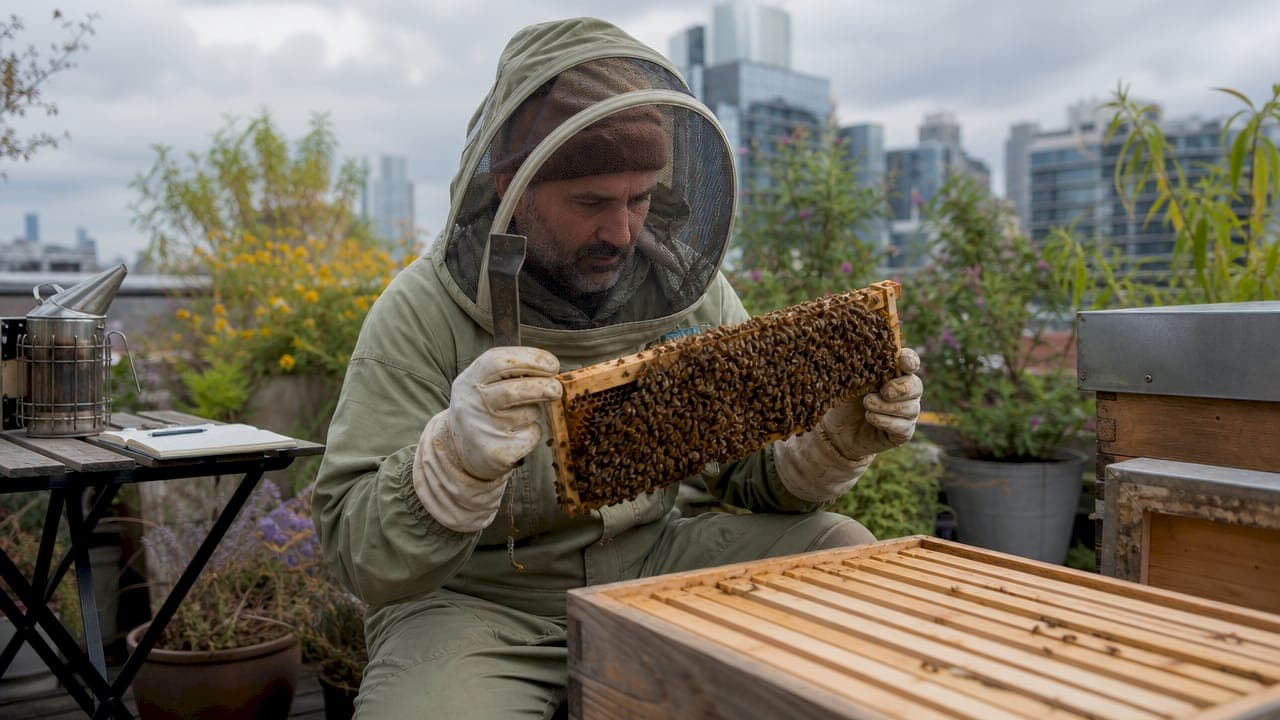
Regular, systematic inspections are the backbone of effective hive management. The BBKA syllabus stresses that inspection frequency should vary by season and colony status, but the method must remain consistent. A thorough inspection covers every frame in the brood box, working methodically from one side to the other without rushing.
During each inspection, check for the following:
- Sealed brood that is flat and uniform, indicating healthy pupae
- Sunken, perforated, or discoloured cappings, which signal European or American foulbrood
- Eggs standing upright in cells, confirming a laying queen within the last three days
- Young larvae in a consistent "C" shape, showing normal development
- Pollen and honey stores adequate for the current season
- Any unusual smells, which can indicate disease before visible signs appear
The BBKA Healthy Hive Guide makes a point that is often overlooked: the primary skill in hive inspection is recognising that something is wrong, not diagnosing exactly what it is. Beekeepers should seek advice from their local association or the National Bee Unit when they spot anomalies, rather than waiting until they are certain of the cause.
6. Queen identification and swarm management
Locating the queen during an inspection is a skill that improves with practice and method. The BBKA Guide to Beekeeping recommends scanning each frame systematically from the bottom bar upward, looking for the queen's elongated abdomen and the distinctive ring of attendant bees that often surrounds her. Marking the queen with a colour-coded paint pen, following the international five-year colour rotation, makes future identification far quicker.
Swarm management is one of the most consequential skills in the BBKA syllabus. Early identification and containment of swarm impulse prevents colony loss and maintains productivity. The standard indicators of swarm preparation are queen cells along the bottom edges of frames and a noticeably congested brood box.
Practical swarm control steps:
- Inspect for queen cells at every visit from april through july
- Use the artificial swarm method or the Pagden method to split the colony before cells are sealed
- Remove all but one selected queen cell if making a split
- Provide adequate space by adding supers before the colony feels congested
Pro Tip: Keep a spare nucleus box ready at the apiary from april onwards. When swarm cells appear unexpectedly, you can act immediately rather than losing the swarm while you fetch equipment.
7. Accurate record-keeping following BBKA standards
Detailed inspection records are not optional under BBKA assessment standards. They are the evidence that demonstrates consistent, responsible management. Hive inspection records should include the date, inspector name, yard location, colony ID, brood pattern quality, queen status, disease signs, and any treatments applied. Each data point serves a specific purpose: treatment records protect you legally, brood quality notes reveal trends over time, and queen status entries flag problems before they become emergencies.
A practical two-tier system works well in the field. Laminated, wipe-clean cards with pre-defined fields capture notes at the hive in all weather conditions. Those notes transfer to a digital master log at the end of each apiary visit. This approach prevents the common problem of illegible pencil notes on damp paper, and the digital log makes it easy to spot patterns across multiple colonies.
Hive ID systems also matter more than most beginners expect. Separating a permanent colony number from a yard location code prevents confusion during inspections, particularly in larger apiaries where colonies move between sites. A colony labelled "Y2-C4" (yard 2, colony 4) is unambiguous in a way that "the hive by the oak tree" never is.
| Record field | Why it matters |
|---|---|
| Date and inspector | Creates an auditable timeline of colony management |
| Brood pattern quality | Reveals disease trends and queen performance over time |
| Queen status | Flags queenlessness or supersedure before productivity drops |
| Disease signs | Supports early intervention and legal treatment records |
| Treatments applied | Required for BBKA assessment and residue management |
8. Preparing for the BBKA Basic Assessment
The BBKA Basic Assessment costs £30 and requires at least one full year of beekeeping experience before you attempt it. That cost is modest, but the preparation is substantial. Assessors expect candidates to demonstrate practical skills at the hive, including safe opening, frame handling, brood identification, and pest recognition. They also review inspection records, so your logbook is part of the assessment, not just background preparation. Beekeeperscolony provides resources that complement this preparation, including hive tracking tools and community forums where experienced beekeepers share assessment tips.
Key takeaways
BBKA-approved hive management requires consistent hygiene, systematic inspection, accurate records, and proactive swarm control to maintain healthy, productive colonies.
| Point | Details |
|---|---|
| Hygiene is non-negotiable | Sterilise tools between every colony to prevent disease transfer across the apiary. |
| Inspections need a method | Work frames systematically and record every observation, not just problems. |
| Records support assessment | Inspection logs are reviewed during the BBKA Basic Assessment and must be detailed. |
| Swarm control needs preparation | Keep a spare nucleus box ready from april so you can act on swarm cells immediately. |
| Seek help early | Recognising an anomaly and asking for advice is the core skill, not perfect diagnosis. |
Why BBKA standards changed how I approach every hive visit
When I started keeping bees, I treated inspections as a search for problems. I would open a hive, look for obvious trouble, and close it again if nothing jumped out. The BBKA framework shifted that entirely. Systematic inspection is not about finding disasters. It is about building a picture of each colony over time, so that a subtle change in brood pattern or a slight drop in stores registers as meaningful before it becomes a crisis.
The most underrated part of the BBKA approach is the emphasis on seeking help rather than self-diagnosing. New beekeepers often hesitate to contact their local association because they feel they should know the answer. The BBKA Healthy Hive Guide is explicit: spotting that something is off and calling the National Bee Unit or a local mentor is exactly the right response. That shift in expectation removes a lot of unnecessary anxiety.
Record-keeping transformed my management more than any single technique. Reviewing three seasons of inspection logs for a colony tells you things a single visit never could. You see which colonies build up fastest in spring, which ones need more frequent Varroa treatment, and which queens are declining before the colony shows obvious signs of stress. The laminated card system feels fussy at first, but after one wet april it becomes indispensable.
My honest advice: join your local BBKA-affiliated association before you buy your second hive. The mentoring, the shared knowledge, and the access to experienced eyes at your apiary are worth more than any piece of equipment.
— steve
Beekeeperscolony and your BBKA hive management
Keeping up with BBKA standards across multiple hives takes more than good intentions. It takes organised records, reliable tracking, and access to practical guidance when you need it.
Beekeeperscolony brings together hive tracking, pest records, apiary planning, and local forage mapping in one place, so your inspection data is always organised and ready for review. The platform's community forums connect you with experienced beekeepers who have navigated BBKA assessments and can offer practical, tested advice. Whether you are preparing for your Basic Assessment or managing an established apiary, Beekeeperscolony gives you the tools to meet BBKA hive management standards with confidence.
FAQ
What are BBKA-approved hive management practices?
BBKA-approved hive management practices are the standard procedures endorsed by the British Beekeepers Association, covering apiary hygiene, systematic inspection, brood monitoring, queen identification, swarm control, and accurate record-keeping. They apply to beekeepers at all skill levels.
How often should I inspect my hives under BBKA guidelines?
Inspection frequency varies by season and colony status, but the BBKA syllabus stresses regular, systematic checks as the standard. During the active season, weekly inspections are typical for most colonies.
What records do I need to keep for BBKA assessment?
Inspection records must include the date, inspector, colony ID, brood pattern quality, queen status, disease signs, and treatments applied. These records are reviewed as part of the BBKA Basic Assessment.
How much does the BBKA Basic Assessment cost?
The BBKA Basic Assessment costs £30 and requires a minimum of one full year of beekeeping experience before you can attempt it.
What is the best way to manage swarms under BBKA guidance?
The BBKA recommends early swarm identification and containment using methods such as the artificial swarm or Pagden technique. Inspecting for queen cells weekly from april through july is the standard preventive approach.